ADA Obtainable Portable Restroom Rental: What Accessibility Criteria Apply
@titusdpre347
October 3, 2026 · 16 min read
When someone asks for an ada obtainable portable washroom, they are usually attempting to solve a very functional trouble. An event organizer needs sufficient units for a weekend break group. An institution is holding an outdoor college graduation. A community is establishing restrooms for a public occasion in a park. A specialist may be attempting to understand whether the exact same rules use on every website. In each case, the inquiry sounds easy, however the solution depends upon more than whether a larger portable system is available.
The managing federal criterion in the United States is the 2010 ADA Specifications for Accessible Style, as translated by the Division of Justice and the U.S. Access Board. That point issues since individuals typically rely on sales language, rental pamphlets, or local behavior instead of the actual availability framework. "ADA design" and "mobility device friendly" are not legal criteria. The lawful inquiry is whether the mobile restroom configuration satisfies the ADA needs that put on it.
For most public facing mobile restroom leasings, the huge issues are not just the system itself. They consist of how many easily accessible units are needed in a team, whether the device is appropriately identified, whether an individual can in fact reach and enter it, and whether the indoor format satisfies the bathroom area requirements that use under the ADA requirements. Those details are where lots of conformity problems begin.
The starting factor is the 2010 ADA Standards
If you rent out portable bathrooms for an event or a short-term website that serves the general public, the evaluation ought to start with the 2010 ADA Standards for Accessible Style. Those criteria regulate access requirements under the ADA, and they are the benchmark that matters when individuals speak about ada compliant easily accessible mobile toilets or ada compliant mobile toilets.
That difference is worth decreasing for. A device can be marketed as an ada portable bathroom since it is bigger than a conventional solitary unit. It may also have grab bars and a broader door. But the legal criterion is not based on advertising tags. The ADA asks whether the relevant scoping and technical needs are met.
That implies the conversation has to include greater than square footage or whether a mobility device can fit with the opening. It additionally needs to cover the course to the unit, the entrance conditions, and the technical guidelines for commode spaces, consisting of clearances and maneuvering room. In method, that is where a great deal of misunderstandings take place. People focus on package and neglect the strategy to the box.
How several easily accessible mobile devices are required
For clusters of mobile single customer toilet systems, at least 5 percent of the devices in each collection need to be accessible. The Access Board has explained that this applies even at momentary occasions. That one sentence responds to a surprising variety of rental questions.
If a coordinator rents out a bank of mobile bathrooms for a fair, race, performance, fundraising event, or seasonal occasion, the available unit demand does not vanish even if the installation is short-lived. Short-term does not indicate excluded. Mobile does not suggest excluded. Exterior does not mean excluded. If the configuration includes a cluster of solitary individual mobile commode systems, the 5 percent policy puts on that cluster.
The phrase "in each collection" is essential. If systems are split in between different locations on a site, it is not nearly enough to think only in terms of the total matter for the occasion as a whole. The ease of access analysis has to comply with the actual grouping of devices. That is just one of those useful details that can capture individuals unsuspecting. On paper, the total number may look fine. On the ground, one financial institution of devices may have no easily accessible option at all.
For tiny matters, the math can feel unpleasant since 5 percent might not arrive at a number. The confirmed guidance establishes the 5 percent need, yet it does not supply rounding guidelines in the info we are functioning from below. Because of that, the safest approach is to talk about certain website counts with counsel or the ideal compliance expert rather than presume you can round down. When the effects of obtaining it wrong entail leaving out people from standard toilet accessibility, "possibly fine" is not a solid operating standard.
Accessibility is not limited to the within the unit
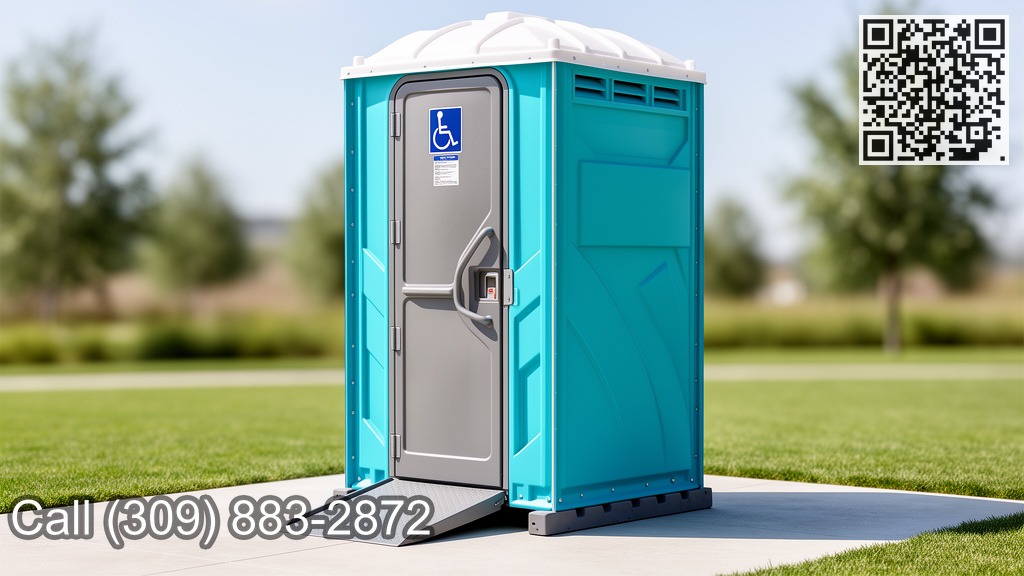
One of the most common blunders in ada mobile commode rental planning is treating the system itself as the whole job. It is not. Easily accessible mobile toilet systems must have an easily accessible course and entrance, and any ramps or landings that are needed must adhere to the ADA technological requirements.
That appears apparent till you walk an actual site.
An unit can be delivered properly and still end up being unusable if it is put in deep gravel, behind a lip in the ground, on unequal terrain, or at the top of an improvised plywood course that does not fulfill ease of access demands. Even an appropriately produced ada certified portable commode can fall short in practice if the course to it is not obtainable. From the individual's point of view, a compliant inside does not aid if the entryway can not be gotten to or used.
This is where event planning and washroom rental demand to speak to each various other very early. The toilet vendor may supply an ada compliant mobile toilet device, yet the site organizer often manages placement. If the coordinator picks a grassy slope due to the fact that it runs out the means, the accessibility issue is not resolved by claiming the appropriate system was delivered. The ADA takes a look at access, not just inventory.
The very same concern comes up with temporary ramps and landings. If the terrain or installation needs them, they need to adhere to ADA technical requirements. That is one more point where individuals obtain casual. A makeshift change that seems manageable to an able bodied volunteer may be unusable or unsafe for someone making use of a wheelchair or various other mobility help. Great objectives are not a substitute for compliance.
Identification issues too
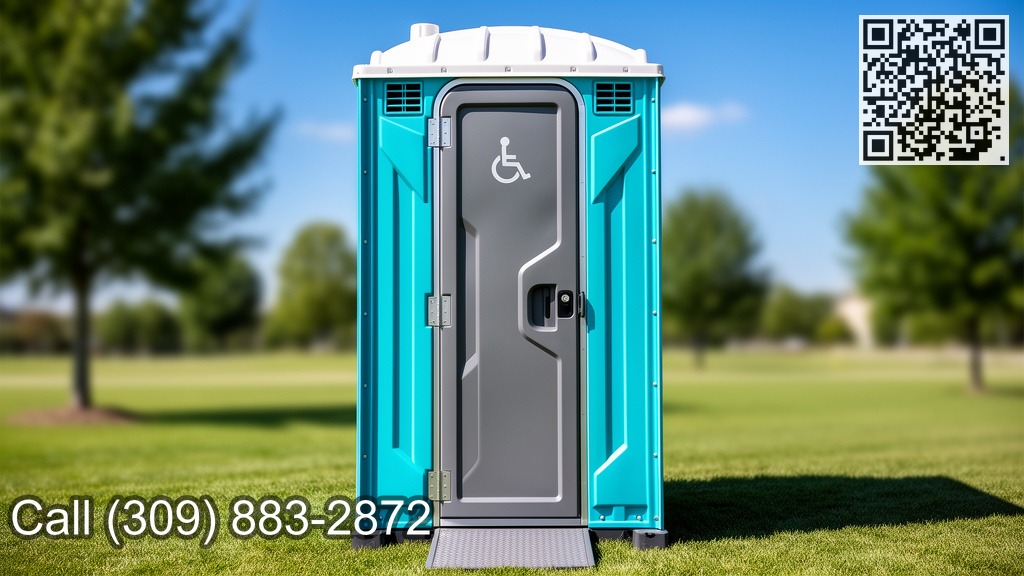
Accessible portable commode units must be related to the International Icon of Ease Of Access. This requirement is very easy to ignore since it really feels additional compared with path accessibility or interior clearances, yet it serves a genuine purpose.
At a jampacked occasion, people must not have to think which system is the obtainable one. Clear identification saves time, minimizes complication, and helps prevent the awkward scenario where a person needs to ask team or scan a lengthy row of systems to find the best toilet. Signs also aids support website team, that might not understand the layout well enough to direct guests quickly.
From a compliance viewpoint, identification belongs to the bundle. An obtainable device is not totally set up as it ought to be if it is hidden in ordinary view without proper designation. In functional terms, the International Icon of Ease Of Access should not be dealt with as a decorative add. It is a needed marker of usability.
What the device itself needs to accommodate
The interior of the mobile washroom matters a lot. Under the ADA framework explained by the Access Board, mobile available units need to satisfy bathroom room technical needs, including fixture clearances, transforming space, and door handling clearances, plus the relevant grab bar and water wardrobe clearance rules.
This is where people often want a basic feature list. Actual compliance is extra incorporated than that. The concern is not just whether grab bars exist, or whether the system looks roomy. The inquiry is whether the format, clearances, and maneuvering areas please the technical demands that apply.
Turning area matters because an individual might need to turn within the device rather than back out in a challenging setting. Door maneuvering clearances issue since making it through a door and protecting privacy are part of using the bathroom with independence and dignity. Fixture clearances matter since distance and placing impact whether the toilet can be approached and made use of. Get bars issue because they support transfer and stability. Water storage room clearance rules matter because inches and placement can change whether a bathroom is functionally easily accessible or simply marketed that way.
What is remarkable here is what we should refrain, specifically improvise numbers or rely upon rumor. The validated context verifies that these technological categories use, yet it does not provide the specific measurements. That indicates any kind of buyer, renter, venue driver, or event coordinator that needs to validate a specific model must aim to the real ADA technological criteria and the producer's certified requirements instead of trust a spoken assurance. "It's the bigger one" is not a compliance analysis.
Temporary events still need to take this seriously
There is a persistent false impression that ease of access demands kick back when an event is brief term. The reverse is closer to the fact. Short-lived events typically create the conditions where availability gets failed to remember, due to the fact that configuration is hurried, the website is improvised, and many vendors are collaborating at the same time. That is precisely why the need that at least 5 percent of devices in each collection come at momentary occasions deserves a lot attention.
An exterior wedding place, a neighborhood market, a city sponsored summertime performance, or a weekend break athletic contest might operate for just a day or 2, but the people going to still require equivalent accessibility to toilets. A person that makes use of a wheelchair does not experience exemption as less significant since the occasion just lasts a few hours. Actually, short events can create much more stress because there is much less time to solve an issue once visitors arrive.
A thoughtful rental plan normally starts with three concerns. How many clusters will feed on site? Where can an available course genuinely be maintained? Has anybody confirmed the real available entryway and interior functions of the unit being supplied? Those questions are mundane, however they prevent the kind of scramble that leaves coordinators moving units on occasion morning, or even worse, apologizing to guests after the fact.
The construction site exception that people misread
There is a vital distinction in the ADA requirements entailing portable toilet systems at building sites made use of exclusively by construction employees. The validated context notes that these are treated in a different way under the pointed out 1991 basic and are excluded from the portable commode access scoping requirement explained there. For basic mobile bathroom leasings, however, the available system need remains.
This is a slim point, but it causes a lot of complication because it gets repeated also extensively. Someone hears that construction site mobile commodes are exempt, then assumes all mobile toilets on all job relevant websites are excluded. That is not a secure presumption. The exception described in the validated context is particularly tied to building website devices made use of exclusively by construction workers, and it does not get rid of the accessibility guidelines for basic mobile bathroom rentals.
That indicates blended use settings should have unique care. If a website includes members of the general public, site visitors, clients, or others outside that special construction personnel context, the more comprehensive available system demands for mobile restroom rentals stay very pertinent. The words "building and construction site" alone do not settle the matter.
When individuals ask whether an ada certified portable bathroom is needed on a website with energetic building, the real response often activates that is utilizing the washroom units and in what context. That is a timeless instance of why labels are much less beneficial than facts.
Renting the appropriate device is just half the job
An ada portable bathroom rental decision usually begins with accessibility, however it ought to finish with positioning and verification. I have seen many companies manage the very first component and disregard the second. They book an ada handicap obtainable mobile toilet well in advance, really feel relieved that package is examined, and after that on delivery day position it where the vehicle can unload most easily as opposed to where customers can access it reliably.
The far better technique is to treat access as a website condition, not simply a product choice. If the system arrives and the entryway encounters a muddy slope, or the path to it crosses loose stone, or neighboring obstacles tighten the https://pristineportablesil.com/ada-compliant-toilet-rental/ method, the rental might please an investing in description without delivering useful access.
This is also why interaction in between venue, coordinator, and vendor matters. A vendor might recognize the attributes of its ada certified mobile restrooms. The organizer understands traffic patterns, guest flow, and terrain. The venue may regulate where units can sit. Access crumbles when each celebration thinks another person took care of the practical details.
A helpful preparation habit is to walk the path psychologically before the truck ever gets here. Photo a person coming close to from auto parking or the centerpiece area, locating the system, reaching the entryway, opening the door, navigating within, and leaving safely. If any type of action in that series appears unsure, it deserves focus before the event opens.
Terms individuals utilize, and what they need to truly mean
The market makes use of several overlapping expressions, including ada compliant portable commode, ada certified mobile bathrooms, ada-compliant mobile commode, ada-compliant portable washrooms, and ada accessible mobile restroom. Those expressions are common, however they are not compatible if they are being used carelessly.
An ada portable bathroom need to imply greater than "larger than standard." An ada certified easily accessible mobile toilet need to imply the unit and its implementation straighten with the appropriate ADA needs. Yet in day-to-day sales conversations, shorthand commonly changes accuracy. A customer requests "the handicap device." A dispatcher notes the order as "ADA." Nobody reviews route gain access to, signage, or cluster counts.
That gap between terms and execution is where disputes and disappointment begin. The language matters due to the fact that it shapes assumptions. If a public event advertises accessible lodgings, the restroom configuration must be examined with the seriousness that guarantee deserves.
For that reason, I motivate people to ask direct operational concerns as opposed to counting on product tags alone. Ask whether the device is planned to meet the ADA bathroom area technological demands. Ask just how the International Sign of Access will appear. Ask where the system should be positioned to keep an obtainable path and entryway. Ask exactly how the cluster matter influences the number of accessible systems needed. Those questions are far more useful than a vague assurance that the larger trailer or portable commode is "ADA all set."
Where compliance stress is heading
Accessibility enforcement does not happen in isolation. One current sign of the wider conformity environment is the Division of Justice support provided in April 2026 extending the due date for sure state and city government web and mobile availability guidelines to April 26, 2027 for bigger entities. On its face, that guidance worries electronic access, not portable toilets. But it reflects something crucial about the bigger ADA landscape: accessibility expectations are energetic, ongoing, and not fading into the background.
That wider context must matter to public firms, colleges, towns, and event operators. If an organization is focusing on ADA commitments on the internet, it ought to bring that same technique to physical gain access to at short-term occasions and public events. The classifications are different, but the compliance state of mind ought to be consistent.
In real terms, that suggests less assumptions and far better paperwork. It means validating what standards apply before the rental order is settled. It suggests recognizing that a short-lived occasion can still present a severe access issue. It suggests avoiding the old behavior of dealing with obtainable toilet planning as a politeness item rather than a core functional requirement.
A functional way to consider compliance prior to shipment day
The most reliable bathroom plans have a tendency to be the least significant. They do not count on last minute improvisation. They handle ease of access early, when there is still time to readjust unit matters and placement.
If you are responsible for a portable bathroom order, maintain your planning anchored to a few essentials:
- Start with the 2010 ADA Specifications for Accessible Design as the managing government framework.
- For each collection of portable single customer toilet units, account for at the very least 5 percent obtainable units, including at short-lived events.
- Confirm that easily accessible systems will certainly be understood the International Sign of Accessibility.
- Verify that the route, entry, and any needed ramps or landings will adhere to ADA requirements.
- Make sure the unit itself is planned to please the applicable bathroom room technological requirements.
That is not an alternative to lawful or layout evaluation where one is required, yet it is an audio field guide. The majority of access failures in mobile toilet rentals do not originate from one unknown technicality. They originate from missing out on one of those basic points.
Why this matters beyond compliance language
An easily accessible bathroom is simple to go over in abstract terms and difficult to value completely until you imagine the alternative. For lots of people, bathroom gain access to shapes whether they can participate in an occasion pleasantly whatsoever. If the only functional toilet is lacking, blocked, or incorrectly set up, the message sent out is prompt: this event was not prepared with you in mind.
That is why a compassionate approach matters as long as the lawful one. The ADA requirements create the structure, yet the actual objective is useful, sensible usage. People need to be able to locate the toilet, reach it, enter it, maneuver inside, and utilize it without unnecessary dependence or embarrassment.
When organizers obtain this right, no one makes a speech about it. The day simply goes better. Guests relocate via the event without friction. Staff invest less time solving avoidable issues. The available unit is not an afterthought off in a difficult corner. It is part of the website strategy from the get go, as ordinary and as necessary as lights or parking.
That is the ideal standard to go for. Not just renting out an ada portable toilet, but making sure the availability criteria that apply are actually met where it counts, on the ground, at the door, and inside the unit.
 Ask ChatGPT
 Ask Grok
 Ask Perplexity
 Ask Claude
 Ask Google AI
 Ask You